

























The vaginal or cervicovaginal swab is a fairly simple common test that can be done in young and old women, at virtually all ages. The aim is to detect changes in the vaginal mucosa that could cause more or less serious diseases or disorders. How the vaginal
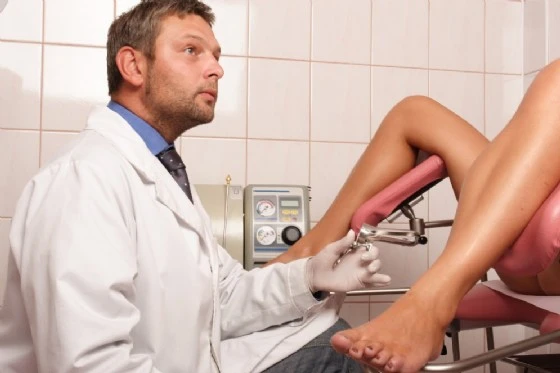
swab is performed The vaginal swab is performed in the clinic. The woman is placed in a gynecological position with her legs slightly raised so that the doctor is able to insert a speculum into the vaginal cavity and can take – with a swab – a sample of vaginal secretion.
- Deepening: what is the speculum
It is a medical device used since the Roman era. The instrument is designed to keep an orifice open – in this case the vaginal one – but it can also be used in the nose, anus or eye. Depending on the area in which it is used, the speculum has different dimensions. The best are those made of stainless steel but there are several models also in plastic.
How is the tampon inserted into the vagina made
? The tampon – which is inserted into the vaginal cavity to a depth of five centimeters – is a sort of very long ‘cotton bud’. When it is inserted into the vagina for the collection of vaginal secretions, the gynecologist rotates it gently for a few seconds in order to withdraw a greater content of liquid. Preparation for the vaginal swab
The vaginal swab does not require special preparations, however, the patient is strongly advised not to have sexual intercourse in the two days preceding the examination. Likewise, it is desirable that non-vegan topical treatments are used. It would also be ideal to avoid taking oral antibiotics in the days before the test in order not to invalidate the results. On the morning of the exam it is best not to use detergents during the daily hygiene of the genital organs. Remember that: the tampon should not be performed in the days immediately close to the menstrual cycle or in any case never during menstruation. Think about the invalidity of the test. Why a vaginal swab is required
The vaginal swab is required in case the woman experiences discomfort in the intimate area. Generally there is redness, burning, thick and sticky secretions or, more rarely, pain. This symptomatology could indicate a bacterial or yeast infection (for example Candida Albicans or other types) and other parasites: for example Trichomonas vaginalis. But not only that: the examination could detect sexually transmitted diseases such as gonorrhea, mycoplasma or chlamydia. Deepening: what is mycoplasma or mycoplasma
The real name is Mycoplasma homins and it is a microorganism present in 30 to 50 percent of sexually active women. It can live undisturbed without creating any symptoms, but in case of immune weakening it can give rise to various ailments. The most common are endometritis infertility and are the cause of spontaneous abortions and insufficient development of the fetus. If it is also transmitted to humans, prostratitis, pyelonephritis and fertility disorders can occur. The vaginal swab in pregnancy
Vaginal swabs may also be required during pregnancy. This is because some types of infections during this period could cause serious problems for the fetus. These include Trichomonas infection, beta hemolytic streptococcus and Candida. A rectal swab may also be required for some types of infections (such as strep throat). Generally such tests are required no earlier than the 36th week of pregnancy. What is detected during a vaginal swab
The swab with vaginal discharge is placed in a special container, smeared on a slide and immediately sent to the laboratory for microbiological analysis – which will give the results within a few days. During the first phase, the vaginal pH is measured, which is around 4 in healthy conditions. After obtaining the pH measurement, Gram staining is performed, which has the purpose of verifying the alteration of the bacterial flora, a possible fungal (Candida), bacterial (Streptococcus, Ureaplasma urealitycum, Staphylococcus, Micoplasma hominis, Gardnerella vaginalis, Candida, Chlamydia) or from protozoa (Trichomonas vaginalis). The examination also considers the quantity of lactobacilli and the possible presence of leukocytes. Difference between vaginal and cervicovaginal swab
Often when we talk about vaginal swab we mean the cervico-vaginal swab, but it can also be performed only one or only the other. The substantial difference is that the cervical one also involves the uterine neck (cervix). And it can be useful for diagnosing gonorrhea, chlamydia, mycoplasma and papilloma virus.